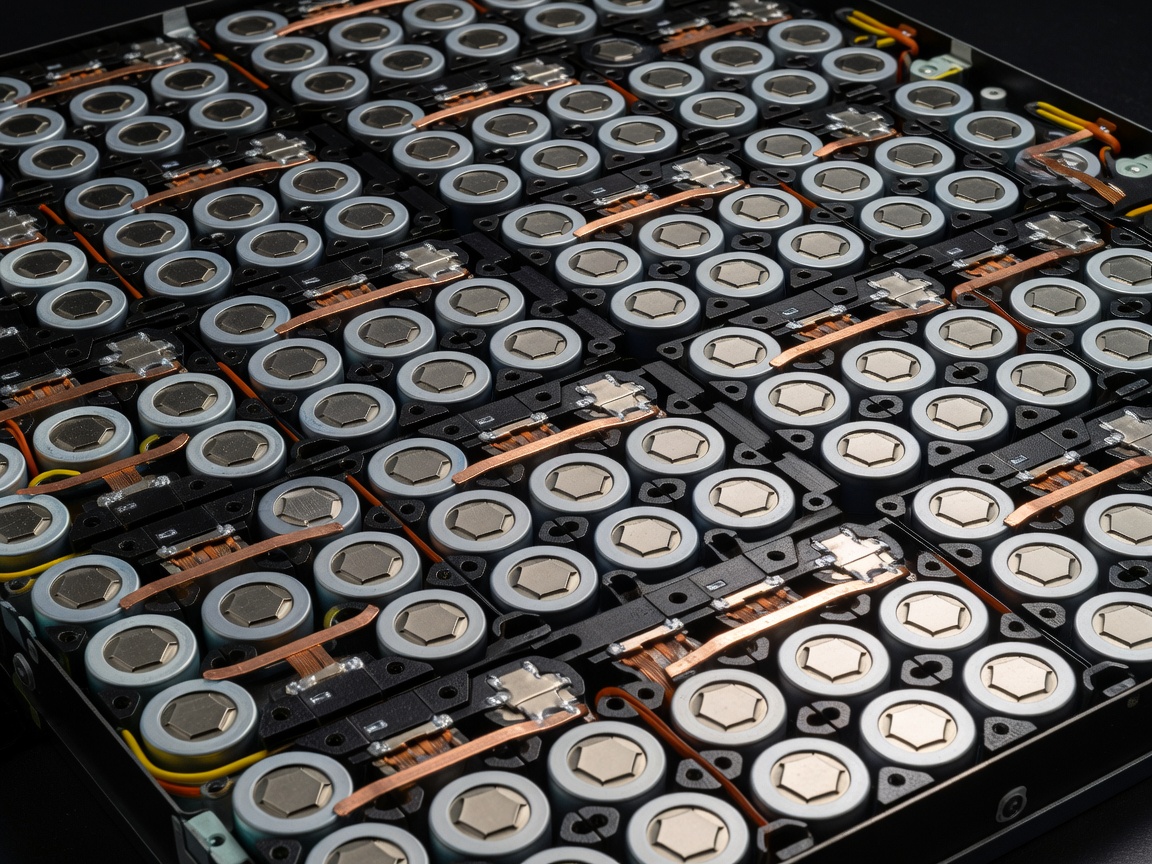
The Heart of the Electric Vehicle
The battery pack is the single most important and expensive component in any electric vehicle. While early modern EVs relied almost entirely on variations of Nickel-Manganese-Cobalt (NMC) or Nickel-Cobalt-Aluminum (NCA) lithium-ion cells, the industry has rapidly diversified. Understanding the core chemistry choices can help prospective buyers make decisions about long-term ownership, charging habits, and vehicle lifespans.
Lithium-ion: NMC and NCA
Nickel-rich chemistries (NMC and NCA) offer excellent energy density. This means they can store a high amount of energy in a relatively small and light package, which is essential for maximizing range. The majority of long-range EVs currently on the market utilize these chemistries. However, they rely on expensive and occasionally controversial raw materials like cobalt. They are also more sensitive to being constantly charged to 100%, with manufacturers generally recommending a daily charging limit of around 80% to preserve the long-term health of the cells.
The Rise of LFP (Lithium Iron Phosphate)
In recent years, LFP chemistry has seen a massive surge in adoption, particularly for standard-range vehicle models. LFP batteries boast several distinct advantages:
- Lower cost: They do not require nickel or cobalt, relying instead on abundant iron and phosphorus.
- Longer cycle life: LFP cells can endure thousands of charge-discharge cycles with minimal degradation, often outlasting the vehicle itself.
- Durability: They are significantly less prone to thermal runaway (catching fire) and tolerate being charged to 100% on a regular basis without accelerated degradation.
The primary drawback of LFP is its lower energy density, which makes the battery packs heavier and slightly larger for the same amount of range compared to NMC packs. They also tend to suffer more noticeable performance drops in extreme cold, though modern thermal management systems mitigate this significantly.
Thermal Management Systems
A battery is only as good as its Battery Management System (BMS) and thermal management. Extreme heat accelerates battery degradation, while extreme cold significantly reduces available power and slows down charging rates. Most modern EVs utilize active liquid cooling and heating loops that circulate fluid through the battery pack.
When you navigate to a fast charger, many vehicles will automatically begin "pre-conditioning" the battery. This means the car uses energy to heat or cool the battery pack to the optimal temperature (usually around 25-30°C) so that it can accept electricity at the maximum possible rate the moment you plug in. Without this active thermal management, older generation EVs often saw rapid battery degradation and sluggish winter charging.
Degradation and Lifespan
Battery degradation is a common fear for new EV buyers, largely stemming from experiences with smartphone batteries that die quickly after two years. However, EV batteries are massively over-engineered by comparison. Real-world data across hundreds of thousands of vehicles shows that modern EV batteries typically lose about 1-2% of their total capacity per year. A vehicle driven normally will likely still retain 80-85% of its original range after 100,000 miles.
Recycling and End of Life
What happens when an EV battery can no longer hold enough charge for driving? They do not go straight to a landfill. Batteries that degrade past 70% capacity are often repurposed for stationary grid storage, where weight and size are irrelevant. Once they reach true end-of-life, hydrometallurgical and pyrometallurgical recycling processes can recover over 95% of the raw materials (lithium, nickel, cobalt, copper) to be used in manufacturing brand-new cells, creating a closed-loop supply chain.