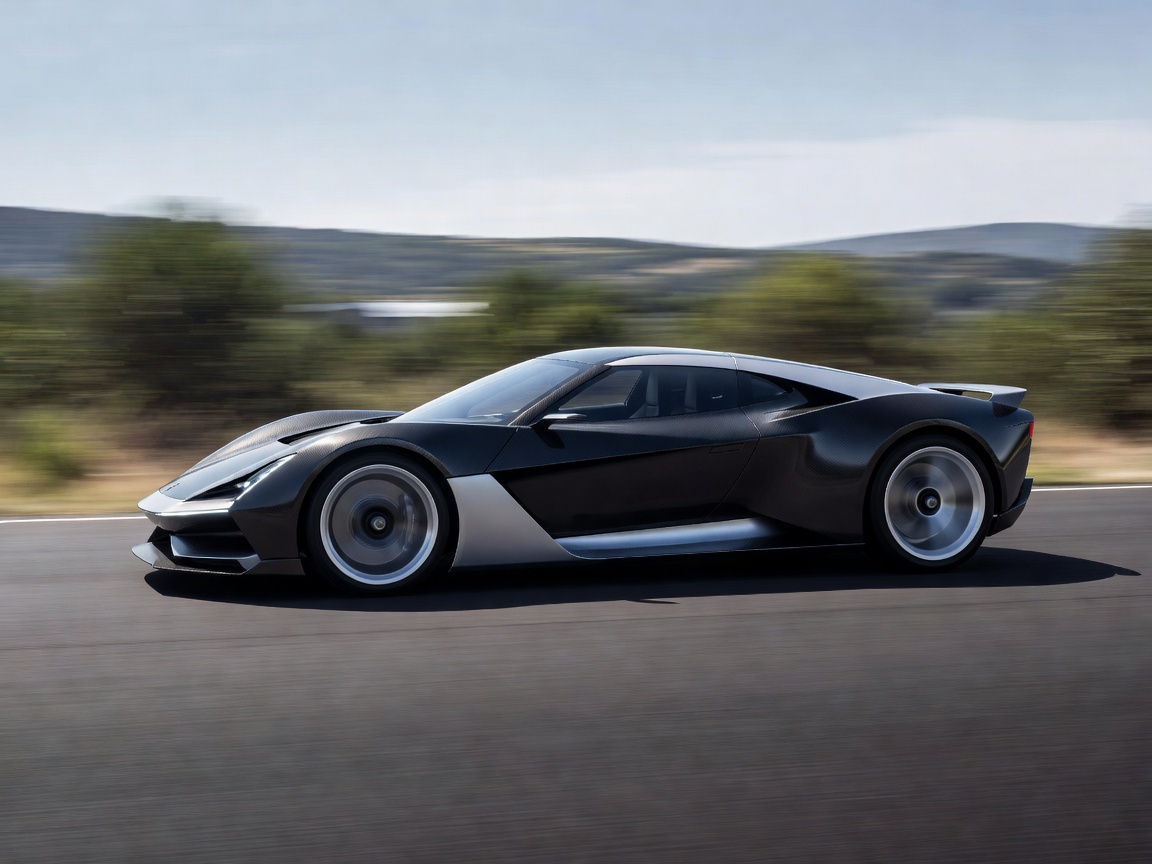
The Science of Moving Forward
Range anxiety is often cited as the primary barrier preventing consumers from transitioning to electric vehicles. However, as battery capacities have increased, understanding how efficiency works is replacing raw range anxiety. An EV's stated range is an estimate based on standardized testing, but your real-world mileage will vary significantly based on a matrix of environmental and physical factors.
Testing Standards: EPA vs. WLTP
When researching EVs, you will encounter different range estimates depending on your region. The two dominant standards are the EPA (Environmental Protection Agency) in North America and WLTP (Worldwide Harmonised Light Vehicle Test Procedure) in Europe and other markets.
- EPA Standard: Generally considered the most conservative and closest to real-world driving conditions for North American drivers. It includes a mix of city and highway driving cycles with adjustments for HVAC usage.
- WLTP Standard: While far more accurate than the older NEDC standard it replaced, WLTP estimates are typically 10-15% higher than EPA figures. A car rated for 300 miles WLTP might only achieve 260 miles on the EPA cycle.
The Aerodynamic Equation
Internal combustion engines are incredibly inefficient, losing up to 70% of their energy as waste heat. Electric motors, by contrast, are up to 90% efficient. Because they are so efficient, any external resistance has a pronounced effect on range. The biggest enemy of EV range at highway speeds is aerodynamic drag.
Driving at 75 mph requires exponentially more energy to push the air out of the way than driving at 55 mph. If you are trying to maximize the distance between charging stops, slowing down by just 5-10 mph can often extend your range by 15-20%.
| Factor | Impact on Range | Mitigation Strategy |
|---|---|---|
| High Speeds (>70mph) | Significant Reduction | Reduce speed, use aerodynamic wheels |
| Extreme Cold | Up to 30% Reduction | Pre-condition battery, use seat heaters instead of cabin air |
| Elevation (Climbing) | Temporary Reduction | Regenerative braking recovers energy on the way down |
| Stop-and-Go Traffic | Range Increase | Maximize regenerative braking settings |
Temperature and Climate Control
Batteries rely on chemical reactions, and those reactions slow down in freezing temperatures. In cold weather, an EV battery has higher internal resistance, meaning it has less usable energy to deliver to the motors. Furthermore, heating the cabin requires a significant amount of electricity. Unlike an ICE vehicle that gets "free" heat radiating from the engine block, an EV must use battery power to generate heat.
Modern EVs use advanced heat pumps instead of simple resistive heaters, scavenging ambient heat from the outside air and the drivetrain to warm the cabin efficiently, dramatically reducing the winter range penalty. Drivers can also use "pre-conditioning"—warming the car while it is still plugged in at home, using grid power rather than battery power to reach a comfortable temperature before departing.
Regenerative Braking
One of the greatest advantages of an EV in city driving is regenerative braking. When the driver lifts off the accelerator pedal, the electric motor runs in reverse, acting as a generator. The kinetic energy of the moving vehicle is converted back into electricity and fed into the battery, slowing the car down in the process. This makes EVs incredibly efficient in stop-and-go urban traffic, often allowing them to exceed their stated EPA range at lower speeds.